What an SGLT2 inhibitor actually does
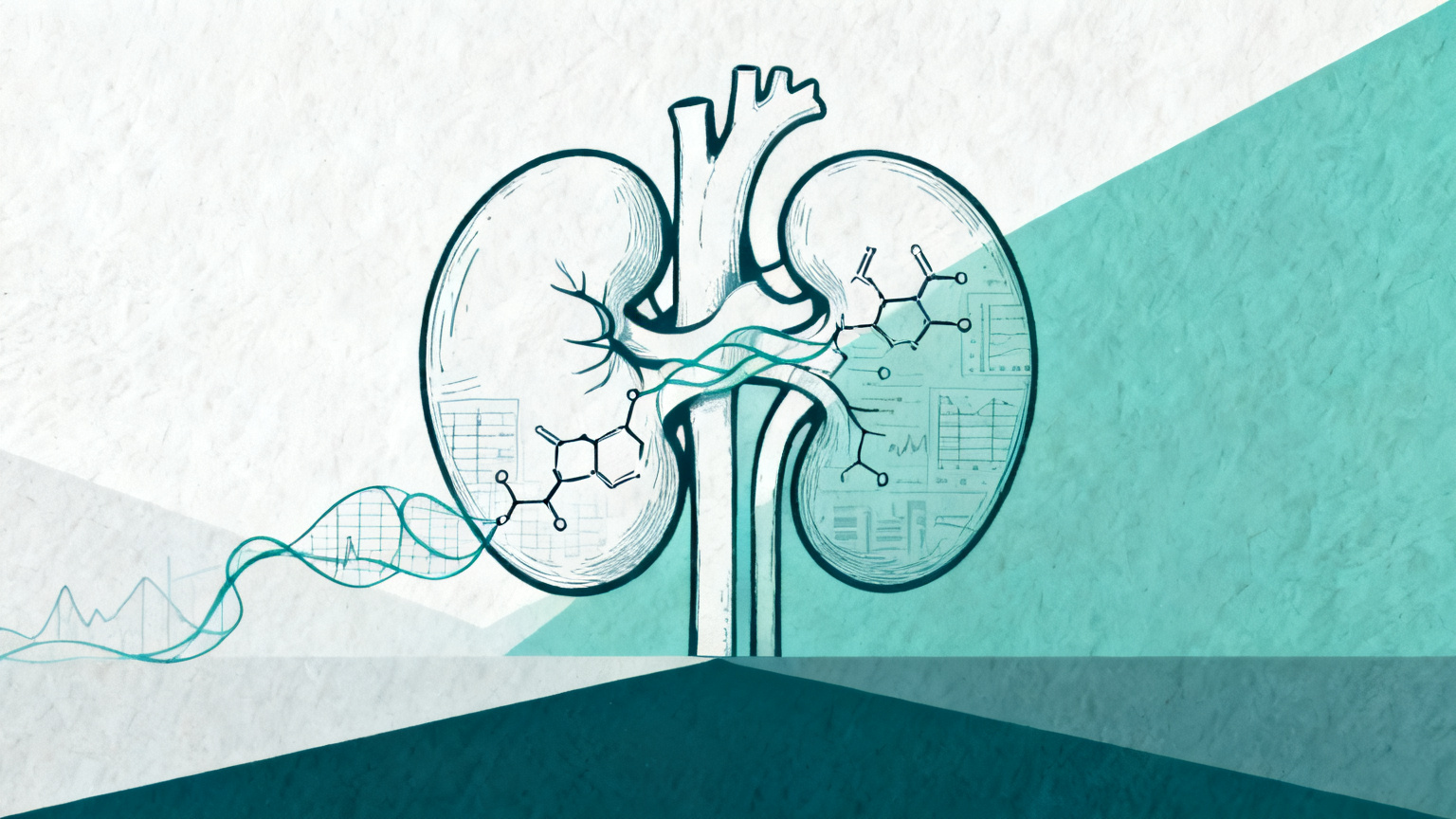
SGLT2 inhibitors (empagliflozin, dapagliflozin, canagliflozin, and others) block a protein in the kidney that normally reabsorbs sugar back into the blood. Blocking it means extra sugar passes out in the urine instead, which lowers blood sugar in people with type 2 diabetes.
That was the original reason these drugs were developed. What surprised researchers is that large trials, run to check for safety, kept turning up a second effect: people taking these drugs had fewer heart failure hospitalizations and less kidney damage over time, even when their blood sugar control looked similar to the comparison group. That second effect is now considered separate from, and just as important as, the blood sugar effect.
Who current guidelines recommend them for
- Type 2 diabetes: first or second-line, especially alongside metformin.
- Heart failure with reduced ejection fraction (HFrEF): one of the four "pillar" medicines recommended for nearly everyone with this diagnosis, whether or not they have diabetes.
- Heart failure with preserved ejection fraction (HFpEF): also recommended, based on the EMPEROR-Preserved and DELIVER trials.
- Chronic kidney disease (CKD): recommended for most adults with CKD and a qualifying eGFR and albuminuria, again regardless of diabetes status.
That last point trips people up the most: you can be prescribed an SGLT2 inhibitor for your kidneys or your heart even if you have never had a blood sugar problem in your life.
What to expect, and the side effects worth knowing
The most common side effect is genital yeast infections, caused by the extra sugar in the urine; staying hydrated and practicing normal hygiene reduces the risk, and it is treatable if it happens. A rarer but serious risk is diabetic ketoacidosis that can occur even with normal-looking blood sugar ("euglycemic DKA"), which is why these drugs are usually paused before surgery or a major illness with poor food intake. Dehydration and low blood pressure can occur, especially if combined with a diuretic. Most people tolerate these medicines well, and the cardiovascular and kidney protection shows up whether or not you notice any side effects at all.
Questions worth asking your doctor
- Am I being prescribed this for my blood sugar, my heart, my kidneys, or more than one?
- Should I pause it before a surgery or if I get sick and cannot eat normally?
- How will we monitor whether it is working?
- Am I also on the other guideline-recommended medicines for my condition, or is this the only one?
Finding a doctor who prescribes guideline-based diabetes, heart, and kidney care
Every clinician in our endocrinologists, nephrologists, and heart failure specialists lists has a verified license, board certifications on record, and a dated attestation to the guidelines covered here. No patient reviews, no star ratings, just facts you can check. Search near you by specialty and city.
Common questions
Do I need diabetes to be prescribed an SGLT2 inhibitor?
No. Current guidelines recommend this drug class for heart failure and chronic kidney disease regardless of whether you have diabetes, because trials showed it protects the heart and kidneys through a separate mechanism from blood sugar control.
Is weight loss from an SGLT2 inhibitor significant?
Some modest weight loss is common, from the calories lost as sugar in the urine, but it is much smaller than what GLP-1 medicines produce and is a side effect here, not the primary purpose.
References
- 2022 AHA/ACC/HFSA Guideline for the Management of Heart Failure (AHA/ACC/HFSA, 2022)
- KDIGO 2024 Clinical Practice Guideline for CKD (KDIGO, 2024)
- ADA Standards of Care in Diabetes (ADA, current)