There is no such specialty
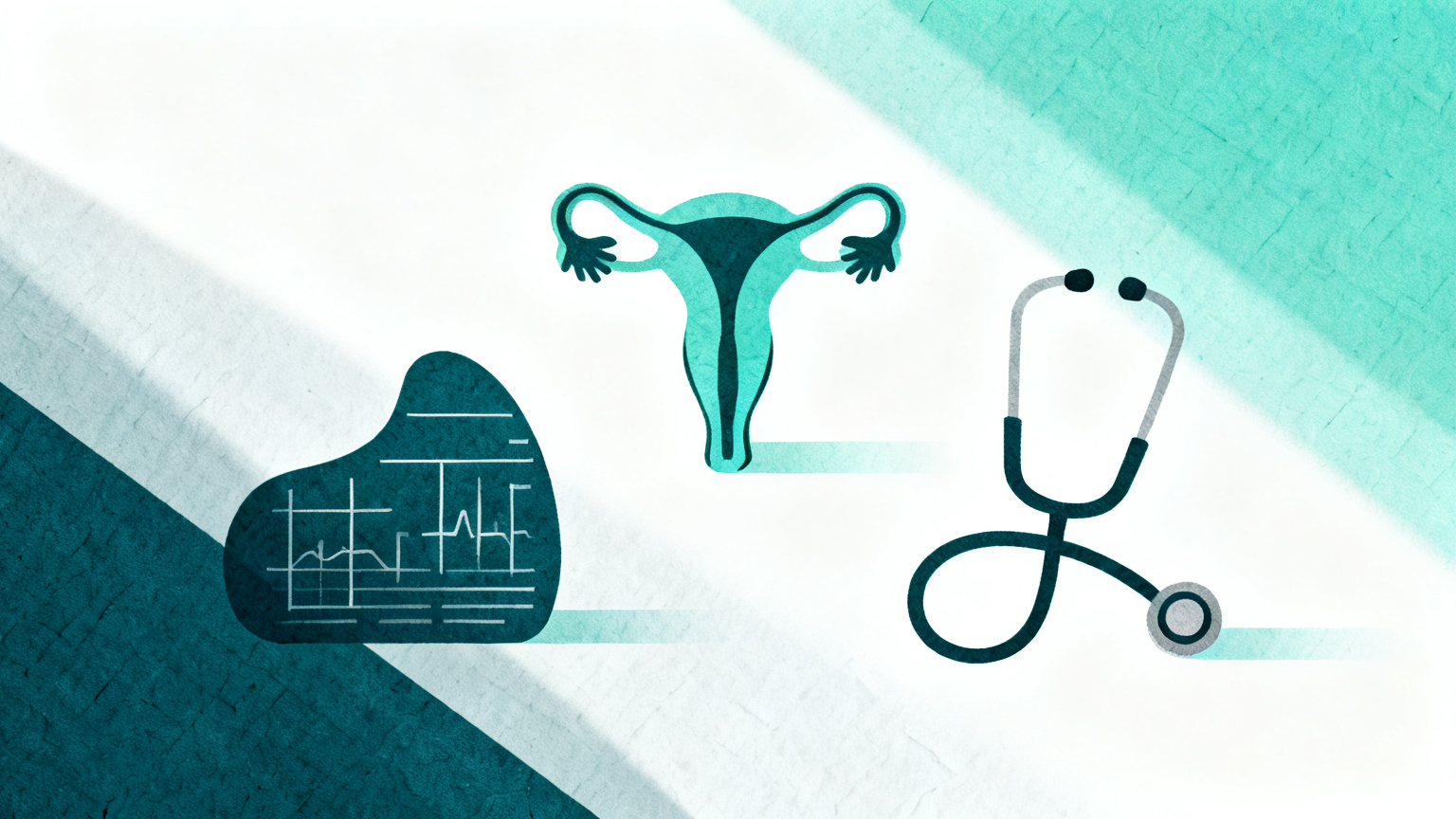
Search "hormone doctor near me" and you will get a mix of real specialists and clinics that chose the words for marketing. The term itself has no meaning to a medical board. Nobody is certified as a hormone doctor.
That matters because hormone symptoms, such as fatigue, weight gain, low mood, poor sleep, and low sex drive, are common and vague. They are easy to blame on hormones and easy to sell a fix for.
Who actually treats hormones
- Endocrinologist. Internal medicine training plus two or three years on the glands. The right doctor for thyroid disease and nodules, diabetes that is hard to control, adrenal and pituitary problems, low testosterone with a proven cause, and early menopause before 40.
- OB-GYN or menopause clinician. Estrogen and progesterone through the reproductive years and menopause: irregular periods, hot flashes, night sweats, vaginal dryness. Look for Menopause Society certification (MSCP or NCMP).
- Urologist or endocrinologist for male testosterone questions, after two properly timed morning blood tests confirm a low level.
- Primary care doctor. Can diagnose and treat straightforward thyroid disease, most type 2 diabetes, and menopause, and knows when to refer.
If a clinic cannot tell you which of these its clinicians are, that is your answer.
How hormones are really tested
Real hormone care uses a few targeted blood tests, ordered for a reason, read against the right reference range, and repeated only when the result will change a decision. TSH for thyroid. A1C and glucose for diabetes. Two morning total testosterone levels for men with symptoms. Menopause is usually diagnosed with no test at all, from age and symptoms.
What the guidelines do not support: saliva hormone panels, "comprehensive" hormone panels sold as a package, dried urine tests, or any test used to "optimize" a number into the upper part of the range. Those tests sell well because they always find something to treat.
Red flags at a hormone clinic
Walk away if you see several of these:
- Hormone pellets as the main offering
- Compounded "bioidentical" hormones described as safer or more natural than FDA-approved ones
- Testosterone offered to women for energy, mood, or weight, which has no approved use and little evidence except for low sex drive after menopause
- Thyroid medicine prescribed for symptoms when your TSH is normal
- Supplements, peptides, IV drips, or weight loss shots sold in the same office
- A membership or package you pay for up front
- Words like optimization, anti-aging, longevity, or balance in place of a diagnosis
- No mention of which board certifies the clinicians
What good hormone care looks like
A good clinician starts with your story, examines you, and orders the few tests that fit. They tell you what is normal for your age and what is not. They treat a diagnosis, not a number. They prescribe FDA-approved medicines, explain the risks, and bring you back on a schedule that makes sense, not every month.
They also know when hormones are not the problem. Fatigue in a 48-year-old woman might be perimenopause, but it might be iron deficiency, sleep apnea, or depression, and a doctor who only sells hormones will not look.
Finding one who follows the guidelines
Every clinician in our endocrinologists list has had their license checked against the national registry and has attested to following the current guidelines. We do not use patient reviews or star ratings. A clinician who sells supplements, compounded hormones, pellets, or peptides is not listed.
For menopause care, our menopause specialists list applies the same rules.
Common questions
Is an endocrinologist the same as a hormone doctor?
An endocrinologist is the board-certified specialist for the glands and the hormones they make. Clinics that call themselves hormone doctors may or may not have one on staff. Ask.
Should I get a full hormone panel?
Usually not. Guidelines call for specific tests chosen for your symptoms. Broad panels find small variations that are normal for you and lead to treatment you do not need.
Are bioidentical hormones better?
FDA-approved estradiol and micronized progesterone are already bioidentical, meaning the same molecules your body makes. Compounded versions sold under that name are not FDA-approved and the dose is not verified. Major societies advise against them except when no approved product can be used.
References
- The 2022 Hormone Therapy Position Statement (The Menopause Society, 2022)
- The 2023 Nonhormone Therapy Position Statement (The Menopause Society, 2023)
- Find a Menopause Society Certified Practitioner (The Menopause Society)
- Management of Menopausal Symptoms (Practice Bulletin 141) (American College of Obstetricians and Gynecologists, 2014, reaffirmed)
- Compounded Bioidentical Menopausal Hormone Therapy (Committee Opinion 532) (American College of Obstetricians and Gynecologists, 2012, reaffirmed)
- Menopause Hormone Therapy: Important Safety Information (U.S. Food and Drug Administration)
- Testosterone Therapy in Men With Hypogonadism: Clinical Practice Guideline (Endocrine Society, 2018)
- Treatment of Hypothyroidism (American Thyroid Association, 2014)