Why a vetted doctor directory matters more now than it ever has
The old way to find a doctor assumed you could trust the system to have filtered out the bad ones. That assumption is gone. What is left is a job someone has to do: check each clinician against the evidence, in public, and keep checking.
The assumption that broke
For most of a century, a medical degree and a license were enough. Patients assumed that anyone in a white coat had been vetted by someone. Today a licensed physician can sell peptides on Instagram, run a supplement store from the exam room, tell a million followers that a vaccine is dangerous, and keep the license. The license still means training. It no longer means the person follows the evidence.
Misinformation has a business model
Selling a product is more profitable than prescribing a generic statin. So the incentives online favor the clinician with something to sell: the detox, the hormone protocol, the compounded GLP-1 at a markup. Those clinicians post more, rank higher, and collect more five-star reviews from happy customers. The careful clinician who says "the evidence does not support that" gets neither the revenue nor the reach.
The job someone has to do
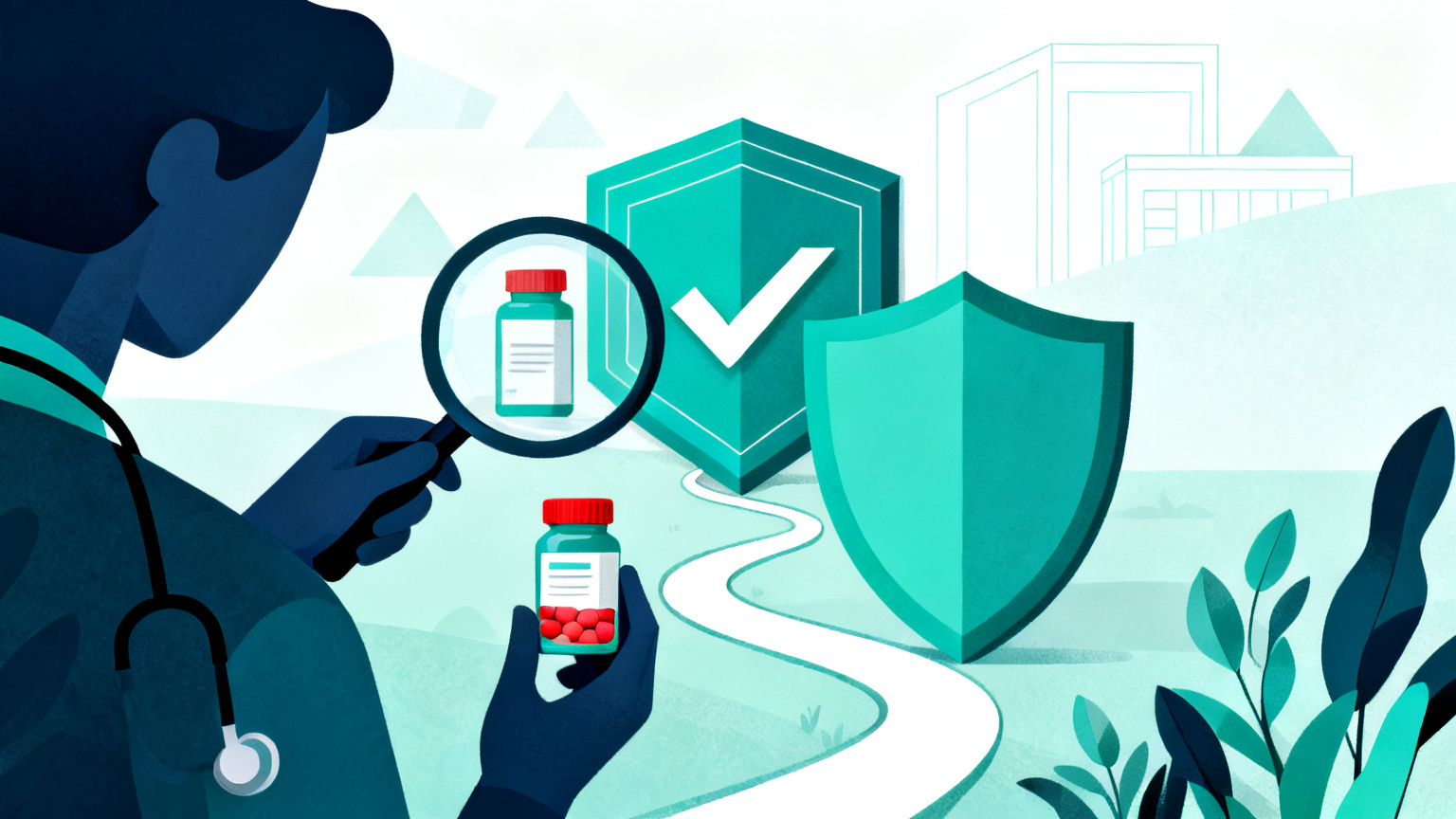
Somebody has to check. Not once, at licensure, but continuously and in public: is the license clean, are the certifications real, does the public record match the evidence, is there anything for sale, and will the clinician put their name to the guidelines in writing?
That is what this directory does. License verification against the federal registry. Board certifications on record. AI-assisted screening of public pages for the red flags, followed by a human decision. A signed, dated attestation to named guidelines, renewed every year. Monthly re-checks of websites. Random audits. Removal without refund for anyone who breaks the pledge. And no reviews, ever, because reviews are the thing that got gamed.
What it means for doctors who practice this way
If you follow the evidence, you have been competing on a field tilted toward people who do not. A listing here is a public record that you practice differently, backed by checks a patient can trust. It is also a network: the other clinicians here practice the same way, and patients who find one of you are looking for the rest.
What it means for patients
It means you can stop guessing. When a clinician appears here, you already know their license is active, their certifications are real, their public record has been screened, and they signed their name to the guidelines for your condition. What you do with that is up to you. But at least the starting list is honest.
Common questions
Who pays for the directory?
Listed clinicians pay a monthly subscription after they pass verification, and sponsors buy labeled placements. Neither changes who passes review or how results are ordered.
Why is the directory smaller than Healthgrades or Zocdoc?
Because every clinician here cleared checks that those sites do not run. We add clinicians as they apply and verify, and we would rather list fewer clinicians honestly than more clinicians blindly.
References
- Nurses Continue to Lead in Honesty and Ethics Ratings (medical doctors 53%, down from 77% in 2020), Gallup (2026)
- KFF Tracking Poll on Health Information and Trust: trust in the CDC and views of federal childhood vaccine schedule changes, KFF (2026)
- KFF Tracking Poll on Health Information and Trust: vaccine safety and trust, KFF (2025)
Why this matters
Trust in medicine is not rebuilt by louder voices. It is rebuilt one verified clinician at a time, in public, with the receipts showing.
DoctorDirectory.ai is different on purpose. Every clinician is verified against the federal license registry, screened across their website, social accounts, board actions, and news, and signs a dated attestation to the major society guidelines that renews every year. Websites are re-checked monthly and listings are audited at random. Nothing a clinician or advertiser pays for changes who passes or who ranks. And there are no patient reviews to buy, bulk-post, or weaponize. That is what a vetted directory looks like, and it is what a healthcare system running low on trust needs more of.
For patients
Find the right doctor, then tell someone.
Search by condition and city. Every result is licensed, board-certified, and on record for evidence-based care. If a friend or family member is choosing a doctor, send them here before they read a single star rating. The more people who expect this standard, the more clinicians will meet it.
For clinicians and the medical community
Vetting and guardrails are how we earn trust back.
A license proves training. It does not tell a patient who sells peptides, who tells families to skip vaccines, or who quietly lost a license in another state. Directories that verify, attest, re-check, and remove are the guardrails the profession has been missing. If you practice from the evidence, put your name to it where patients can see it, and ask your colleagues to do the same.