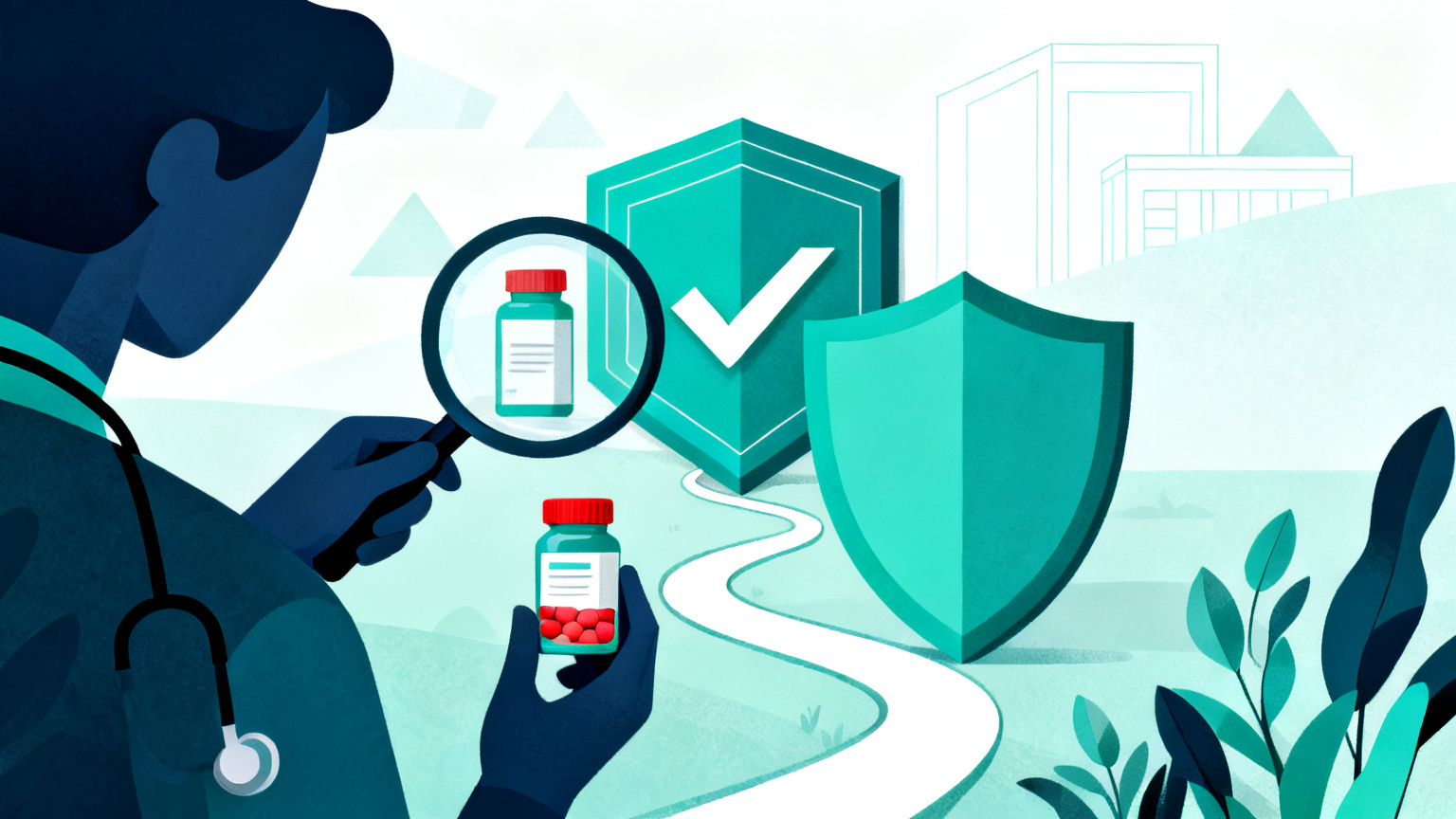
Trust in doctors is at a 30-year low. Here is how to find one you can actually trust.
Gallup's rating of doctors' honesty fell from 77% in 2020 to 53% today, the lowest since the mid-1990s. The reasons are political, commercial, and personal. The fix is not more star ratings. It is checking the things that actually predict good care.
What happened to trust
In 2020, 77% of Americans rated doctors' honesty and ethics as high or very high. In the latest Gallup measurement it is 53%, the lowest reading since the mid-1990s. Pharmacists fell almost as far. Seven of the 21 professions Gallup tracks hit record lows in the same poll.
Medicine did not get worse in five years. What changed is that health became a political identity. Vaccines, masks, weight-loss drugs, hormone therapy, even cholesterol became things people argue about on camera. When every topic is a fight, the person giving you advice looks like a side.
At the same time, the loudest voices online are often not the most careful ones. A clinician who sells a supplement line has a reason to post every day. A clinician who quietly follows the guidelines usually does not.
What did not change
The evidence did not change. Statins still cut heart attacks. Blood pressure control still prevents strokes. The childhood vaccine schedule still prevents diseases that used to fill hospital wards. The major medical societies still publish guidelines built on tens of thousands of patients in randomized trials, and they still update them when the data move.
Most doctors did not change either. The overwhelming majority practice the way the evidence says to, keep their licenses clean, and never appear in a headline. The problem is that patients cannot tell them apart from the ones who do not, because the tools patients use were built to measure something else.
Why star ratings make it worse
Review sites measure how a visit felt: wait time, parking, whether the front desk was friendly, whether the doctor gave you what you asked for. None of that predicts whether you will have a heart attack. A doctor who hands out antibiotics for colds and prescribes whatever a patient saw on TikTok can earn five stars. A doctor who says no to a compounded peptide can earn one.
Reviews are also easy to game. They can be bought, bulk-written, or weaponized by one angry person. Several review sites let practices pay for placement. So the signal patients trust most is the one that is easiest to manipulate.
Five things that actually predict good care
- An active, unrestricted license. Every state medical board publishes it. Look up the name. Discipline, suspensions, and consent orders are public record.
- Board certification in the specialty you need. It means the doctor passed a rigorous exam in that field and keeps up with continuing education. The American Board of Medical Specialties lets you check for free.
- A stated commitment to guidelines. Ask which guideline they follow for your condition. A good cardiologist can name the cholesterol guideline and the year. A good menopause doctor can tell you why FDA-approved hormone therapy beats compounded pellets.
- No products for sale. A clinician who sells supplements, peptides, or compounded drugs out of the office has a financial reason to recommend them. That is a conflict, not a convenience.
- A public record that matches. What they post online should sound like what the evidence says. Anti-vaccine content, "root cause" cure-alls, and detox programs are red flags, however confident the presenter.
Why we built a directory around those five things
DoctorDirectory.ai lists only clinicians who clear those checks. We verify the license against the national registry, record board certifications, screen public pages for the red flags above, and require a dated, signed attestation to guideline-based care that renews every year. We publish no star ratings, and we never will.
That means the directory is smaller than the review sites. It also means that when you find a doctor here, you know something real about how they practice before you ever call the office.
Common questions
Is it wrong to read reviews at all?
No. Reviews are useful for logistics: parking, wait times, whether the office returns calls. They are just not evidence of clinical quality, and they should never be the deciding factor.
How do I check a doctor's license myself?
Search your state medical board's website for the doctor's name, or use DocInfo.org from the Federation of State Medical Boards. It is free and takes a few minutes.
What if my doctor is not listed here?
Most good doctors are not listed yet; we add clinicians as they apply and pass verification. A doctor may also be missing because they did not meet our rules. We do not say which. Ask them.
References
- Nurses Continue to Lead in Honesty and Ethics Ratings (medical doctors 53%, down from 77% in 2020), Gallup (2026)
- KFF Tracking Poll on Health Information and Trust: trust in the CDC and views of federal childhood vaccine schedule changes, KFF (2026)
- KFF Tracking Poll on Health Information and Trust: vaccine safety and trust, KFF (2025)
Why this matters
Trust in medicine is not rebuilt by louder voices. It is rebuilt one verified clinician at a time, in public, with the receipts showing.
DoctorDirectory.ai is different on purpose. Every clinician is verified against the federal license registry, screened across their website, social accounts, board actions, and news, and signs a dated attestation to the major society guidelines that renews every year. Websites are re-checked monthly and listings are audited at random. Nothing a clinician or advertiser pays for changes who passes or who ranks. And there are no patient reviews to buy, bulk-post, or weaponize. That is what a vetted directory looks like, and it is what a healthcare system running low on trust needs more of.
For patients
Find the right doctor, then tell someone.
Search by condition and city. Every result is licensed, board-certified, and on record for evidence-based care. If a friend or family member is choosing a doctor, send them here before they read a single star rating. The more people who expect this standard, the more clinicians will meet it.
For clinicians and the medical community
Vetting and guardrails are how we earn trust back.
A license proves training. It does not tell a patient who sells peptides, who tells families to skip vaccines, or who quietly lost a license in another state. Directories that verify, attest, re-check, and remove are the guardrails the profession has been missing. If you practice from the evidence, put your name to it where patients can see it, and ask your colleagues to do the same.